
Introduction
For couples trying to conceive through IVF treatment in Pune, understanding every stage of the IVF process is important. One of the most crucial phases is the implantation window—the short period when the embryo attaches to the uterus lining.
In this guide, we explain what the implantation window is, why it matters in IVF success, and how expert care from the best IVF specialist in Pune can improve your chances of pregnancy.
At Momstory Hospital by Sahyadri in Pune, experienced fertility experts provide personalized care and advanced fertility solutions to help couples achieve their dream of parenthood.
What is the Implantation Window?
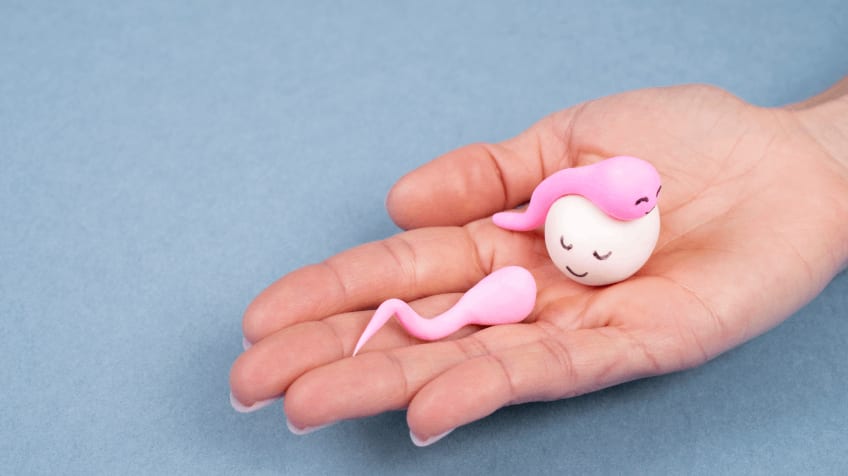
The implantation window is the specific time when the uterus is most receptive for the embryo to attach to the uterine lining (endometrium).
During IVF treatment in Pune, embryos are created in the lab and then transferred into the uterus. After the embryo transfer, the embryo needs the right hormonal and uterine conditions to successfully implant.
Typically, the implantation window occurs between Day 19 and Day 24 of the menstrual cycle, which is roughly 5–7 days after ovulation.
During this period, the fertilized embryo—called a blastocyst—starts attaching itself to the prepared uterine lining.
What Happens During Implantation?
Once the embryo is transferred into the uterus during IVF, the following steps occur:
-
Embryo expansion – The blastocyst begins expanding.
-
Attachment to uterine lining – It starts attaching to the endometrium.
-
Embedding process – The embryo gradually embeds deeper into the uterine lining.
-
Cell multiplication – Cells begin multiplying to form the embryo and eventually a fetus.
This process typically takes 3–5 days after embryo transfer. If successful, pregnancy can be confirmed through blood tests or a urine pregnancy test about 14 days later.
Role of Hormones in the Implantation Window
The implantation window depends heavily on the balance of hormones, especially:
Estrogen
Estrogen helps prepare the endometrial lining so that it becomes thick and receptive to the embryo.
Progesterone
Progesterone plays the most important role in the implantation window. It supports the uterine lining and creates the right environment for the embryo to implant.
This is why doctors often prescribe progesterone injections, tablets, or gels during IVF cycles. These medications support the uterus and improve the chances of successful implantation.
Patients undergoing fertility consultation Pune often receive personalized hormonal support plans depending on their reproductive health.
Why the Implantation Window is Critical in IVF
The implantation window is very narrow. If the embryo transfer does not align with this window, implantation may fail.
Some factors that influence implantation success include:
-
Proper endometrial thickness (usually 9–14 mm)
-
Good blood supply to the uterine lining
-
Balanced hormone levels
-
Correct timing of embryo transfer
This is why it is essential to consult the best IVF specialist in Pune, who can carefully monitor these factors to maximize IVF success rates.
What Happens If Implantation Fails?
Sometimes IVF cycles fail because the implantation window was missed or the uterine lining was not optimal.
Common reasons for failure include:
-
Poor endometrial lining
-
Insufficient blood supply
-
Hormonal imbalance
-
Incorrect timing of embryo transfer
In cases of repeated IVF failures, doctors may transfer two embryos instead of one. However, modern fertility practices increasingly recommend single blastocyst transfer to reduce the risk of multiple pregnancies while maintaining good success rates.
Through proper fertility consultation Pune, doctors can identify the root cause and adjust the treatment strategy for future IVF cycles.
How Expert IVF Care Improves Success
When undergoing IVF treatment in Pune, choosing the right fertility center is extremely important.
Experienced fertility specialists can:
-
Monitor ovulation timing accurately
-
Prepare the uterine lining properly
-
Optimize hormonal support
-
Determine the ideal time for embryo transfer
At Momstory Hospital in Pune, fertility experts provide advanced diagnostics and personalized fertility care designed to improve implantation success and pregnancy outcomes.
When to Seek Fertility Consultation
Couples should consider consulting a fertility expert if they:
-
Have been trying to conceive for over 12 months
-
Experienced multiple IVF failures
-
Have irregular ovulation or hormonal disorders
-
Are above 35 years of age
Seeking timely fertility consultation Pune can help identify reproductive issues early and guide you toward the most suitable fertility treatments.
FAQs
1. What is the implantation window in IVF?
The implantation window is the short period when the uterus is most receptive for the embryo to attach to the uterine lining, usually between Day 19 and Day 24 of the menstrual cycle.
2. How long does implantation take after embryo transfer?
Implantation typically occurs 3–5 days after embryo transfer, with pregnancy confirmation possible after about 14 daysthrough blood or urine tests.
3. Why is progesterone important in IVF?
Progesterone supports the uterine lining and ensures the uterus remains receptive to embryo implantation during the implantation window.
4. Can IVF fail due to implantation issues?
Yes, IVF may fail if the uterine lining is not optimal, blood supply is poor, or embryo transfer does not align with the implantation window.
5. Where can I get expert IVF treatment in Pune?
Couples looking for advanced fertility care can consult specialists at Momstory Hospital, where the best IVF specialist in Pune provides comprehensive fertility consultation Pune and modern reproductive treatments.