
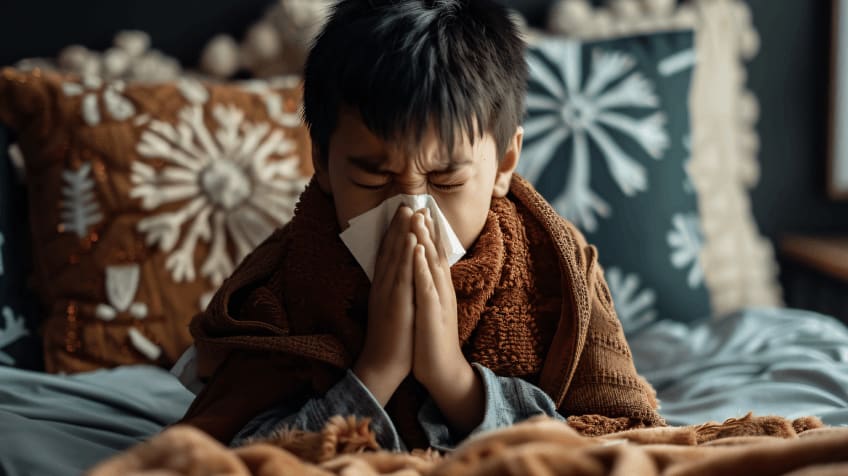
The monsoon season is enjoyable for children, but the increased moisture, stagnant water and spread of infections can also increase their risk of illness. With a few simple precautions, parents can help protect children from food- and water-borne infections, mosquito-borne diseases and seasonal viral infections.
In this article, Dr. Ganesh Badge, Pediatric Consultant and Intensivist at Momstory, Hadapsar, Pune, shares practical tips for keeping children safe and healthy during the rainy season.
Why Is Monsoon Care Important for Children?
Children often enjoy playing outdoors during the rains, but the monsoon season can also increase the spread of several infections.
Food and water contamination, stagnant water, mosquito breeding and the spread of viral infections are some of the common concerns during this season. Taking simple preventive measures can help reduce these risks.
1. Give Children Safe and Clean Drinking Water
Many illnesses during the monsoon can be linked to contaminated food or water.
Parents should:
- Give children boiled or properly filtered drinking water.
- Avoid giving children food from roadside stalls or unhygienic outdoor sources.
- Prefer freshly prepared, thoroughly cooked food at home.
- Include vegetables and fruits as part of a balanced diet.
Using safe drinking water and maintaining good food hygiene can help protect children from food- and water-borne infections.
2. Teach Children Proper Handwashing
Hand hygiene is one of the simplest ways to help prevent infections.
Encourage children to wash their hands:
- Before eating
- After playing outdoors
- After using the washroom
- Whenever their hands are visibly dirty
Building these habits early can help reduce the spread of several infections during the monsoon.
3. Protect Children From Mosquito-Borne Diseases
Stagnant water becomes common during the rainy season and can contribute to mosquito breeding. This can increase the risk of mosquito-borne illnesses such as dengue, malaria and Japanese encephalitis.
To reduce mosquito exposure:
- Dress children in full-sleeved clothes.
- Use mosquito nets when appropriate.
- Use mosquito repellents as suitable for children.
- Avoid areas with stagnant water where possible.
4. Change Wet Clothes After Playing in the Rain
Children may get completely wet while playing outdoors during the monsoon. Once they return home, change them into dry clothes as soon as possible.
Keeping children dry and comfortable can help prevent problems associated with prolonged exposure to wet clothing and cold conditions.
5. Avoid Playing Barefoot in Contaminated Water
Children sometimes play in rainwater or stagnant water without footwear. This can expose them to skin injuries and infections.
If children have cuts or injuries on their feet or skin, contact with potentially contaminated water should be avoided to reduce the risk of infection.
6. Take Precautions Against Viral Infections
Viral infections can spread more easily during the monsoon season.
Parents should avoid taking children to crowded places when there is a known increase in infections, particularly if the child is unwell or vulnerable to infection.
Good hand hygiene and avoiding unnecessary exposure to crowded or infected environments can help reduce the risk.
7. Keep Your Child’s Vaccinations Up to Date
Keeping your child’s vaccination schedule updated is an important part of preventive healthcare.
The doctor specifically highlights vaccines such as:
- Flu vaccine
- Typhoid vaccine
- Hepatitis A vaccine
Parents should discuss the appropriate vaccination schedule for their child with their pediatrician.
What Symptoms Should Parents Watch For?
Children can sometimes develop symptoms such as:
- Fever
- Vomiting
- Diarrhea
- Dehydration
- Tiredness
- Increased irritability
If your child develops these symptoms or appears significantly unwell, consult your pediatrician promptly rather than managing the condition without medical guidance.
When Should You Consult a Doctor?
Seek medical advice if your child develops persistent or concerning symptoms, particularly:
- Fever
- Repeated vomiting or diarrhea
- Signs of dehydration
- Unusual tiredness
- Significant irritability
- Any other symptoms that concern you
Early evaluation can help identify the cause and ensure appropriate care.
Conclusion
Monsoon can be a fun season for children, but it also requires some additional precautions. Safe drinking water, freshly prepared food, regular handwashing, mosquito protection, avoiding stagnant water and keeping vaccinations updated can help protect children from common seasonal infections.
Stay safe, stay healthy and take good care of your children this monsoon.
For further information and pediatric care, you can visit Momstory, Hadapsar and consult Dr. Ganesh Badge.