The monsoon season brings cooler weather and greenery, but it can also increase the risk of several infections in children. From viral fever and stomach infections to mosquito-borne illnesses, parents should be aware of common monsoon illnesses and know when their child needs medical attention.
In this article, Dr. Prateek Kataria, Senior Pediatrician and Neonatologist at Momstory, Nagar Road, explains the common childhood illnesses seen during the monsoon season, how to prevent them and the warning signs that require medical attention.
Common Monsoon Illnesses in Children
1. Viral Fever
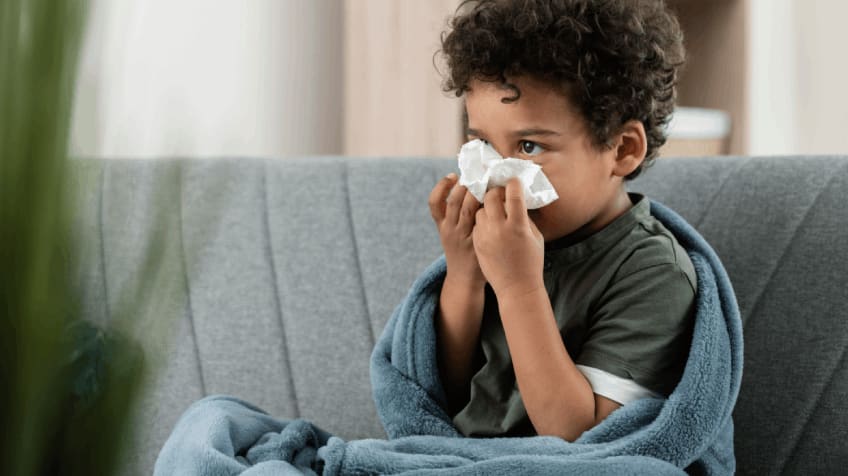
Viral fever is one of the most common illnesses seen during the monsoon season.
A child may experience:
- Fever
- Sore throat
- Cold
- Cough
- Mild body ache
In many cases, these symptoms settle with adequate hydration, rest and fever-reducing medication as advised by a doctor.
Parents should continue to monitor the child’s symptoms and seek medical advice if the illness persists or worsens.
2. Gastroenteritis
Gastroenteritis is generally caused by an infection affecting the digestive system. Common symptoms include:
- Fever
- Stomach pain
- Vomiting
- Loose motions
- Dehydration
The most important concern with gastroenteritis is dehydration. Oral rehydration solution (ORS), along with other treatment recommended by your pediatrician, may be advised depending on the child’s condition.
Signs of Dehydration in Children
Parents should watch for reduced urine output, poor oral intake or increasing lethargy. If your child appears dehydrated, consult a pediatrician promptly.
3. Dengue
Dengue is another important illness seen during the monsoon season. It is commonly associated with:
- High-grade fever
- Vomiting
- Significant body pain
- Skin rash
- Unusual bleeding
If dengue is suspected, children should be monitored carefully. The video advises avoiding NSAIDs such as ibuprofen in suspected dengue and using plain paracetamol for fever as advised by a doctor. Adequate fluid intake is also important.
If you notice unusual bleeding, worsening symptoms or other warning signs, seek medical attention immediately.
4. Malaria
Malaria is a mosquito-borne illness that can also occur during the monsoon season.
Preventing mosquito bites is therefore an important part of protecting children, particularly when they spend time outdoors.
5. Leptospirosis
Leptospirosis can be a concern during the monsoon, particularly in areas where there is stagnant water around the house.
Parents should take precautions to prevent children from coming into contact with potentially contaminated stagnant water.
How Can You Prevent Monsoon Illnesses in Children?
Simple preventive measures can help reduce a child’s exposure to infections during the rainy season.
Encourage Regular Handwashing
Teach children to wash their hands regularly, especially before eating and after coming home from outdoors.
Avoid Roadside and Unhygienic Food
Avoid giving children food from roadside stalls or other places where food hygiene may be uncertain.
Avoid Cut Fruits Kept in the Open
Cut fruits that have been left exposed outdoors may be more prone to contamination. It is better to offer freshly prepared and properly stored food.
Carry Safe Drinking Water
Carry a bottle of drinking water for your child when going outdoors rather than relying on uncertain water sources.
Protect Children From Mosquito Bites
When children go outdoors, especially in the evening, consider full-sleeved clothing to reduce exposure to mosquito bites.
These simple precautions can help reduce the risk of several monsoon-related illnesses.
When Should You Take Your Child to a Pediatrician?
Not every monsoon illness is severe, but certain symptoms should not be ignored.
Parents should seek medical attention if:
- Fever persists for more than 3 days
- The child’s oral intake significantly decreases
- Urine output decreases
- The child becomes unusually lethargic
- The child develops seizures
- There is unusual bleeding
If any of these warning signs appear, consult the nearest pediatrician or take the child to a hospital promptly.
Conclusion
Monsoon illnesses in children can range from common viral infections and gastroenteritis to mosquito-borne illnesses such as dengue and malaria. Good hygiene, safe food and water, adequate hydration and protection from mosquitoes can help reduce the risk of infection.
Most importantly, parents should watch for warning signs such as persistent fever, reduced urine output, lethargy, seizures or unusual bleeding.
Not every monsoon illness is severe, but every unwell child deserves appropriate evaluation.
For further queries or pediatric care, you can visit Momstory.