
Introduction
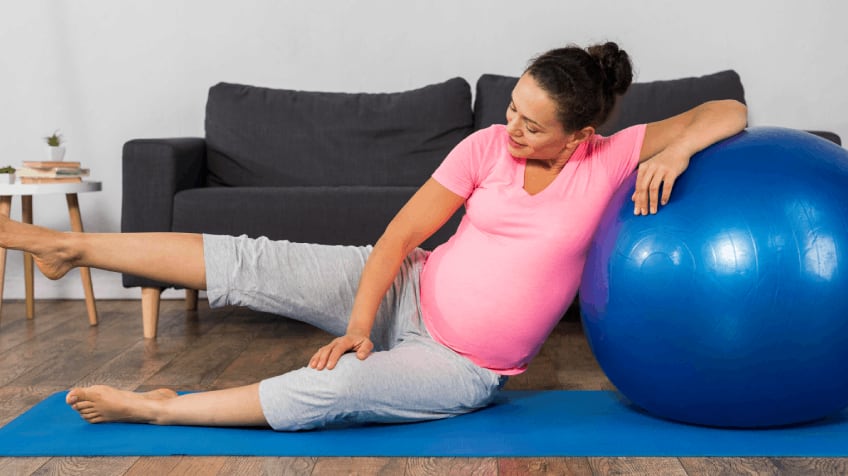
Pregnancy is a beautiful and life-changing journey, but it also brings several physical changes to a woman’s body. As the baby grows, many women experience back pain, pelvic discomfort, posture changes, and muscle strain. These changes are natural but can make daily activities uncomfortable. Physiotherapy during pregnancy plays an important role in helping expectant mothers stay active, reduce pain, and prepare their bodies for childbirth. With the right exercises, posture correction, and muscle strengthening techniques, physiotherapy can help make pregnancy more comfortable and support a smoother delivery and recovery.
How the Body Changes During Pregnancy
During pregnancy, a woman’s body undergoes multiple hormonal and physical changes to support the growing baby and prepare for childbirth. These changes can affect muscles, joints, posture, and balance.
1. Hormonal Changes
During pregnancy, hormones such as relaxin increase in the body. These hormones help loosen ligaments and joints to prepare the body for childbirth.
However, this also leads to:
-
Reduced joint stability
-
Increased risk of back pain
-
Pelvic discomfort
-
Muscle strain
Because the ligaments become more flexible, the body needs stronger muscles for support.
2. Postural Changes
As the baby grows, the center of gravity shifts forward. This change in body balance affects posture.
Common postural changes include:
-
Increased arch in the lower back
-
Rounded shoulders
-
Forward head posture
These posture changes often lead to:
-
Neck pain
-
Shoulder stiffness
-
Lower back pain
Physiotherapy helps correct posture and reduce these discomforts.
3. Weight Gain and Muscle Imbalance
Natural weight gain during pregnancy increases pressure on several joints, including:
-
Spine
-
Hips
-
Knees
At the same time:
-
Abdominal muscles stretch
-
Pelvic floor muscles weaken
-
Hip and back muscles become overworked
This imbalance can cause fatigue, muscle tension, and persistent body pain.
Targeted physiotherapy exercises help restore muscle balance and reduce strain.
4. Pelvic Floor Changes
The pelvic floor muscles support important organs such as the bladder, uterus, and bowel.
During pregnancy:
-
These muscles stretch
-
They may become weak
-
Support to pelvic organs reduces
Weak pelvic floor muscles can lead to:
-
Urinary leakage
-
Pelvic pain
-
Difficulty during delivery
Strengthening the pelvic floor through physiotherapy helps support both pregnancy and childbirth.
How Physiotherapy Helps During Pregnancy
Physiotherapy plays a vital role in maintaining physical health during pregnancy. With guided exercises and professional supervision, pregnant women can stay active and comfortable throughout the nine months.
1. Reduces Back and Pelvic Pain
One of the most common complaints during pregnancy is lower back pain and pelvic discomfort. Physiotherapy helps relieve this pain through gentle exercises and muscle strengthening techniques.
2. Improves Posture and Balance
As posture changes during pregnancy, physiotherapy helps train the body to maintain proper alignment. This reduces strain on the spine and improves overall body balance.
3. Strengthens Core and Pelvic Floor Muscles
Physiotherapists guide pregnant women through safe exercises that strengthen the core and pelvic floor muscles, which are essential for supporting the growing baby and preparing for labor.
4. Teaches Proper Breathing Techniques
Breathing techniques taught during physiotherapy help in:
-
Relaxation during pregnancy
-
Pain management during labor
-
Better oxygen supply to both mother and baby
5. Prepares the Body for Normal Delivery
Physiotherapy prepares the body for childbirth by improving flexibility, muscle strength, and endurance. This preparation can make labor and delivery smoother.
6. Prevents Pregnancy Complications
Regular physiotherapy sessions can help prevent certain pregnancy-related conditions such as:
-
Diastasis Recti (abdominal muscle separation)
-
Urinary incontinence
-
Chronic back pain
-
Poor posture-related problems
Why Staying Active During Pregnancy Is Important
Many women believe that pregnancy requires complete rest. However, staying moderately active is beneficial for both the mother and the baby.
With proper guidance, physiotherapy helps mothers:
-
Stay physically active
-
Maintain muscle strength
-
Reduce pregnancy discomfort
-
Improve mental well-being
Safe exercises also help in faster postpartum recovery after delivery.
Tips to Stay Comfortable During Pregnancy
Here are some simple tips recommended by physiotherapists:
-
Maintain proper posture while sitting and standing
-
Avoid lifting heavy objects
-
Use supportive footwear
-
Practice prenatal stretching exercises
-
Strengthen pelvic floor muscles regularly
-
Stay physically active with safe movements
Always consult a healthcare professional before starting any exercise routine during pregnancy.
Conclusion
Pregnancy does not have to mean living with constant pain or discomfort. With proper physiotherapy guidance, expectant mothers can manage body changes more comfortably and stay active throughout the pregnancy journey. Physiotherapy helps reduce back and pelvic pain, improve posture, strengthen muscles, and prepare the body for childbirth. By incorporating safe exercises and professional support, women can enjoy a healthier pregnancy and experience smoother delivery and recovery.